Astrit Hasani opens European Weightlifting Championships in Batumi
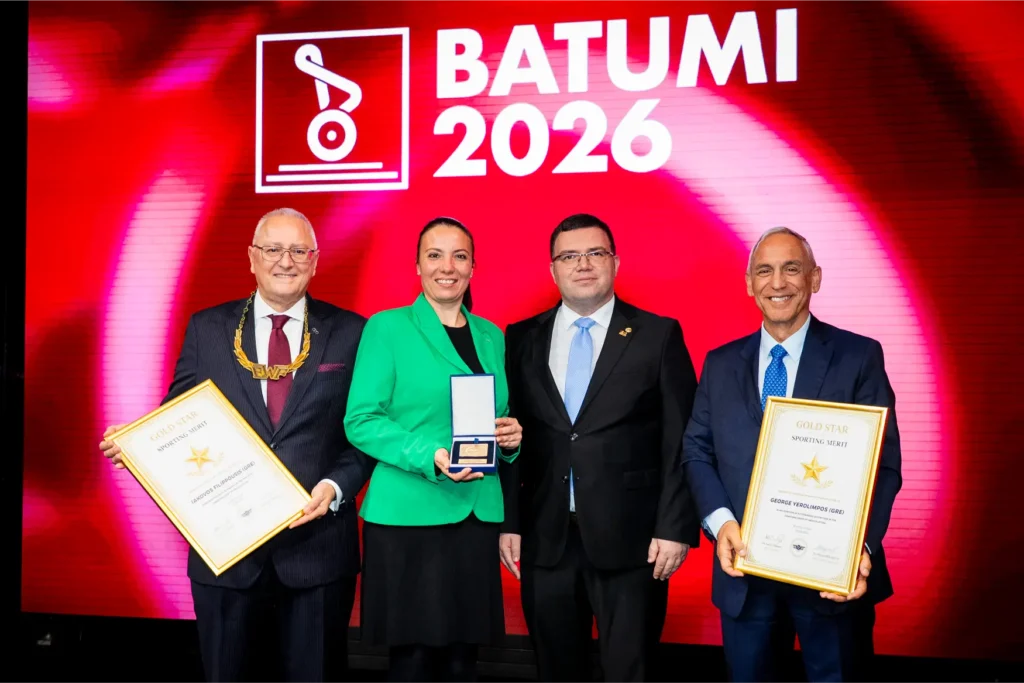
By sportsin.biz The 2026 European Weightlifting Championships officially opened in Batumi, Georgia, with a ceremony led by the President of the European Weightlifting Federation, Astrit Hasani. The opening event brought together senior officials from international sport, Olympic medallists, and representatives of the International Weightlifting Federation. The competition, hosted by the Georgian National Weightlifting Federation under the leadership of Olympic champion Lasha Talakhadze, runs from 19 to 26 April in the Black Sea city. During a brief address, Talakhadze thanked all participating teams for their presence and support. Astrit Hasani, EWF President, who took the stage following remarks by Georgia’s Minister of Sport, expressed gratitude to athletes, coaches, referees, and officials involved in the event. He also praised the Georgian federation and its president for being an “excellent organizer” of the championships. In his speech, he highlighted the importance of sport as a tool to connect people and promote peace and solidarity. He further acknowledged the contributions of key international sport figures, including Iakovos Filippousis, Secretary General of the International Committee of the Mediterranean Games, as well as other senior officials present at the ceremony. As part of the opening proceedings, Hasani presented commemorative trophies and diplomas to selected coaches, athletes, and contributors in recognition of their service to European weightlifting. Among those attending were prominent international sport figures such as George Yerolimpos. Three-time Olympic gold medallist Pyrros Dimas was also present at the event, alongside other elite representatives of the sport. Batumi 2026 marks an important moment for the European Weightlifting Federation, as it is the first major championship under Hasani’s presidency. His leadership is expected to focus on developing the sport further across Europe while also strengthening its presence within the Mediterranean sports movement. The total prize fund for the event has been set at 144,000 Euros.
Support for FIFA President Gianni Infantino’s Decision on Iran’s Participation in the 2026 World Cup
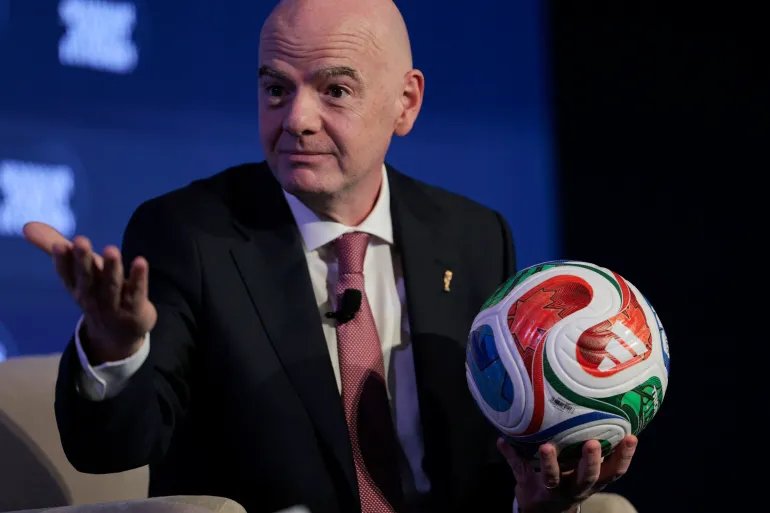
As the founder of the “Sport Above Politics” initiative, I stand with FIFA and President Gianni Infantino in their great decision to uphold the principle of inclusivity in international sport by confirming Iran’s participation in the 2026 FIFA World Cup. Despite the ongoing geopolitical tensions, including concerns over safety and diplomatic disagreements, this decision reinforces the core values that sport should remain free from political influence. FIFA’s stance on Iran’s participation underscores the organization’s commitment to equality, fairness, and the idea that athletes should not be punished for the geopolitical decisions of their governments. The players representing their countries on the world stage are first and foremost athletes, who train, sacrifice, and dream of competing at the highest level. Hence, Politics should not be a barrier to their aspirations, nor should it be allowed to divide nations on the playing field. By prioritizing the inclusion of all nations, regardless of their political or diplomatic circumstances, FIFA demonstrates that sport must remain an unshakable force for good in the world. In supporting President Infantino’s decision, I join others in asserting that sport can and must be a force for peace. Iran’s participation in the 2026 World Cup is a reaffirmation of this principle, and a victory for all those who believe in the power of sport to bridge divides, unite nations, and transcend politics. Dr. Astrit HadaniFounder of the “Sport Above Politics” Initiative
Statement of Support for IOC President Kirsty Coventry from Dr. Astrit Hasani, Founder of the “Sport Above Politics” Initiative
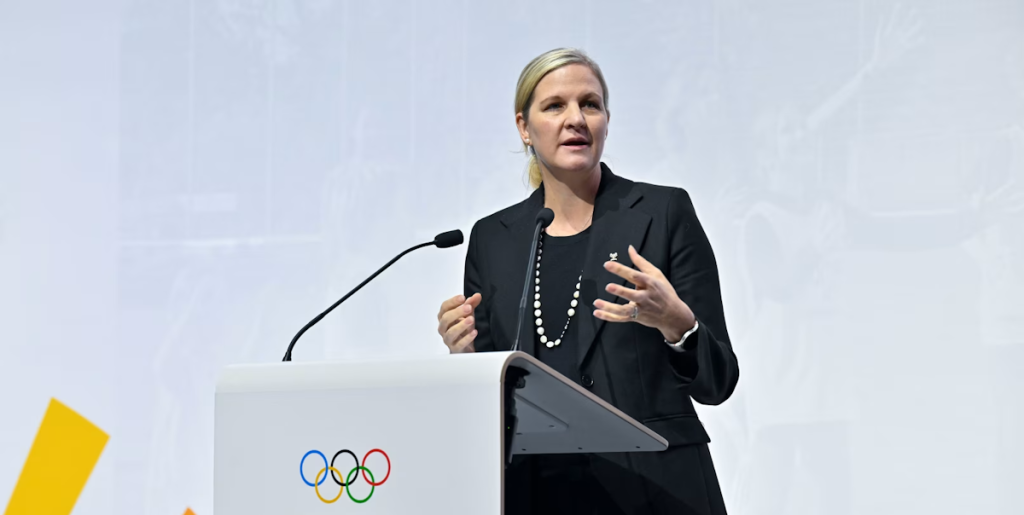
Sport Above Politics founder Dr. Astrit Hasani fully supports the recent statements made by the IOC President Kirsty Coventry, which emphasize the need to respect the autonomy of sport. Her words resonate deeply with the core values that we stand for in our mission to keep sports free from the influence of political agendas. Sport, at its heart, is about uniting athletes, regardless of nationality, religion, or political belief. When we allow politics to intrude upon sport, we risk undermining the very foundation of what makes it powerful and transformative. Hence, the IOC President’s call for the European Union and governments to respect the autonomy of sporting organizations is not just a plea for neutrality but it’s a call for the preservation of the integrity of sport itself. Political interference has the potential to undermine the fairness and global unity that sport represents. Whether it is in the Olympic Games or other international events, athletes should be judged solely by their talent, hard work, and character and not by the politics of their countries. As part of our initiative, we are committed to ensuring that sports remain an arena for human achievement and mutual respect, rather than a battleground for political interests. We urge leaders, policymakers, and all involved in the governance of sport to stand firm in protecting this principle, as outlined by our IOC President Coventry. The autonomy of sport is non-negotiable, and we must continue to foster a world where sport is a force for good, above all politics. Dr. Astrit HadaniFounder of the “Sport Above Politics” Initiative
Statement by Dr. Astrit Hasani, Founder of Sport Above Politics Movement, on IOC’s Disqualification of Ukrainian Slider Vladyslav Heraskevych
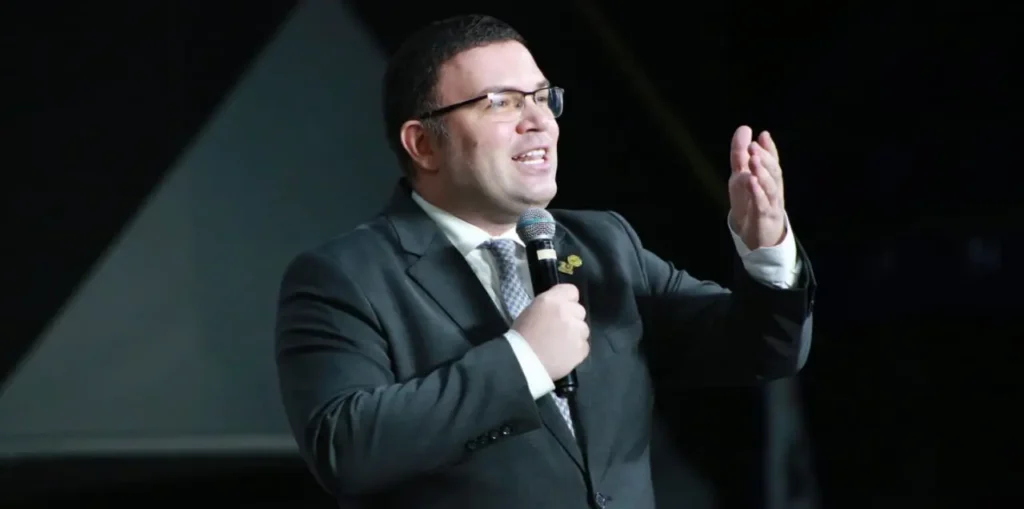
Sport Above Politics Movement expresses its regret regarding the recent decision by the International Olympic Committee (IOC) to disqualify Ukrainian slider Vladyslav Heraskevych from the men’s skeleton event. This decision followed Heraskevych’s intention to wear a helmet featuring depictions of athletes who had been killed in the war with Russia. The IOC’s action was based on a violation of its guidelines concerning athlete expression, specifically Rule 50.2 of the Olympic Charter. This rule addresses the “protection of neutrality,” which states that “no kind of demonstration or political, religious, or racial propaganda is permitted in any Olympic sites, venues, or other areas.” At Sport Above Politics, we highly appreciate that IOC President Kristy Coventry personally traveled to Cortina on Thursday morning to meet with Heraskevych. She took the time to explain directly to the athlete that the disqualification resulted from the Athletes Commission’s 2021 recommendations, which sought to limit athletes’ opportunities to express personal views “on the field of play prior to the start of competition.”President Coventry also shared an important perspective: “It’s because we had so many athletes come up to us and say, ‘If you open that up, how do you keep me safe? How do you stop me from being used by others to send a message that I don’t agree with?’ That’s why these rules are in place. It’s to ensure the safety of everybody.” This transparent and compassionate approach reflects President Coventry’s profound understanding of the challenges athletes face and underscores her humble and inclusive leadership. Her unwavering commitment to balancing the integrity of sport with the safety of athletes is truly commendable. She has shown that leadership is not only about making decisions, but also about listening to the concerns of those directly impacted and engaging with them personally. At Sport Above Politics, we fully support the IOC’s position that sport must remain free from political entanglements. This ensures that athletes are protected from external pressures and can focus solely on their athletic performance. The Olympic Games, by their very nature, are a global gathering meant to unite people across diverse backgrounds, not to serve as a platform for political messaging. We respect that the IOC’s actions prioritize the best interests of athletes, ensuring they can compete in a neutral and secure environment. It is important to clarify that Sport Above Politics does not support war or political violence in any form. However, in sports, the principles of neutrality and fairness must remain paramount. This is why I stand behind the IOC’s enforcement of its rules, which not only safeguard the safety of athletes but also preserve the spirit of unity that the Games embody. The IOC’s stance ensures that athletes can focus on their athleticism and passion for sport, free from political exploitation. While Heraskevych’s decision to appeal is within his rights, it is crucial to recognize the significance of the neutrality rules in place. These rules are designed to protect every athlete at the Games, regardless of their background or political beliefs. Dr. Astrit HasaniFounder, Sport Above Politics Movement
Statement: Unacceptable Discrimination Against Kosovo Athletes in European Karate Championships
From: Sport Above Politics Movement9 February 2026 To: European Karate Federation (EKF) Statement: Unacceptable Discrimination Against Kosovo Athletes in European Karate Cadet, Junior & U21 Championships We, the Sport Above Politics Movement, are writing to strongly condemn the decision made by the European Karate Federation (EKF) regarding the exclusion of Kosovo athletes from the European Karate Championships for Cadet, Junior & U21 held in Limassol, Cyprus. It is absolutely unacceptable that Kosovo athletes were not allowed to participate with their national symbols, despite the EKF offering the option for participation without these symbols. Participation without national symbols is not an acceptable solution, as it undermines the principle of equality for all athletes. Allowing any athlete to compete only under restricted circumstances, and denying them the ability to represent their country fully, sends the wrong message to the entire world of sports. The statement made by the Chairman of the Organizing Committee of the European Karate Federation, Marton Falusi, that the main objective of EKF remains to ensure the participation of competitors whenever possible, is fundamentally unjust, unacceptable, and misguided. The reality is that participation with full recognition and national symbols should be guaranteed for all athletes without compromise. If a host nation cannot provide the same rights and respect for all participating athletes due to the political stance of its government, that country should not be allowed to organize such international competitions. Even though Cyprus, politically, does not recognize the independence of Kosovo, it is important to emphasize that the Kosovo Karate Federation is a full member of the EKF, and as such, its athletes should have the right to compete under their national identity. Allowing Kosovo athletes to participate in international sports events does not, in any way, constitute political endorsement. The essence of sport is about unity, inclusivity, and equal participation for all, irrespective of political disputes. Sports should remain free from political interference, as their primary goal is to foster mutual respect and understanding. As representatives of sports, we must prioritize unity and the equal rights of all athletes, regardless of the political climate. It is truly a shame to see that a governing body of sports would fail to uphold its duties towards all athletes based on their merits alone, free of political influence. We believe that this situation could have been avoided, and that the championships should have been cancelled rather than proceed under conditions that deliberately excluded certain athletes. The Sport Above Politics Movement firmly believes that sports should be a unifying force, free of political interference. We stand with all athletes who seek to compete in their respective fields and will continue to advocate for the respect of their rights, especially in cases where they have been unjustly denied. We hope the European Karate Federation will take immediate action to right this wrong and ensure that such a situation never arises again in the future. Sport Above Politics shall prevail. Sincerely,Dr. Astrit Hasani, Founder Sport Above Politics Movement
The ballast the IOC carries with geopolitics and past decisions
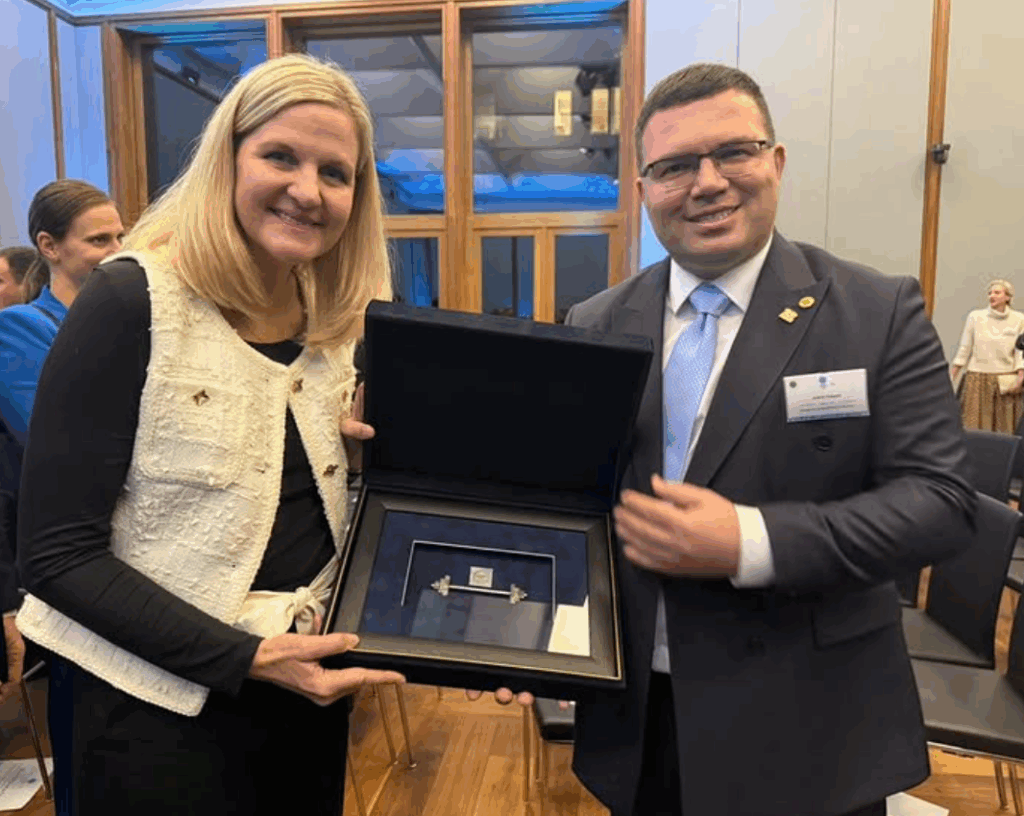
By sportsin The president of the International Olympic Committee –IOC–, Kirsty Coventry, once again placed the role of sport as a tool for global cohesion at the centre of the debate on Wednesday, in a press conference marked by political caution and several open questions. Speaking from Lausanne, the leader avoided entering into the geopolitical context of some current conflicts, but made it clear that the objective of the Olympic movement must continue to be the protection of participation and coexistence among countries and athletes, even in scenarios of high international tension. Coventry recalled that the IOC is not meant to take positions on matters of sovereignty or on government decisions, but it is responsible for ensuring that the Games preserve their universal character. Within that framework, she argued that sport has the ability to “bring together people from very different cultures and visions”, an idea that directly connects with the ongoing debate about the real scope of Olympic neutrality and the room for manoeuvre the institution has when facing external pressure. In that context, Coventry also spoke about building a “fit for the future” Olympic movement, a concept that goes hand in hand with the need to correct and repair a significant part of the decisions taken in previous years, which still condition the organisation’s present and future. The uncertainty over the lack of dialogue with Donald Trump One of the points that drew the most attention was the confirmation that, so far, there has been no formal communication between the IOC and Donald Trump in relation to the Los Angeles 2028 Olympic Games. Coventry acknowledged that the organisation has been aware of some institutional moves in the United States, but admitted that no direct contact has taken place at the highest level. That silence raises an inevitable question: is it reasonable that, at this stage, there is still no clear channel of dialogue with the president of the host country of Games involving more than 200 delegations? The lack of direct communication adds an element of uncertainty in an international context that is increasingly sensitive to political decisions that may ultimately affect organisation, the mobility of delegations and the public perception of the event. The mistake of excluding countries and athletes At the same time, the reaction of the always proactive president of the European Weightlifting Federation –EWF– and founder of Sport Above Politics, Astrit Hasani, reinforces a critical reading of some decisions taken in the past by the Olympic movement. In an open letter published on Sport Above Politics, Hasani directly appealed to the responsibility of the IOC to prevent athletes from paying the consequences of political conflicts they do not control and that lie outside their sphere of decision. “Sport must be a neutral, inclusive and fair space for all athletes, regardless of their origin”, Hasani stressed, insisting that collective exclusions generate more division than solutions and undermine the credibility of sporting institutions. An IOC constrained by previous decisions The debate is not new. The exclusion of countries or the imposition of intermediate formulas allowing athletes to compete under neutral flags has left internal scars and opened a complex precedent to manage. Many leaders believe that those decisions, taken in contexts of political urgency, continue to condition today the IOC’s ability to act with coherence and firmness in defence of its own principles. In this scenario, Coventry’s message about the unifying power of sport and Hasani’s call not to repeat past mistakes converge on the same idea: Olympism needs to recover room for manoeuvre and credibility if it is to remain a real meeting point among nations. There was previously a different geopolitical context from the current one, and it is the IOC that must demonstrate its evolution and its chameleon-like capacity to win this race with its philosophy and Olympic spirit… not only for the IOC itself, but also to lead, through sport, a global platform for peace under the flag of the Olympic rings. The question that remains in the air is whether the IOC will be able to unlock that legacy of restrictive decisions with today’s world leaders and, at the same time, establish the necessary channels of dialogue with key political actors before tensions once again spill over into the sporting arena.
Sport Above Politics: A Call to IOC President Coventry and the World
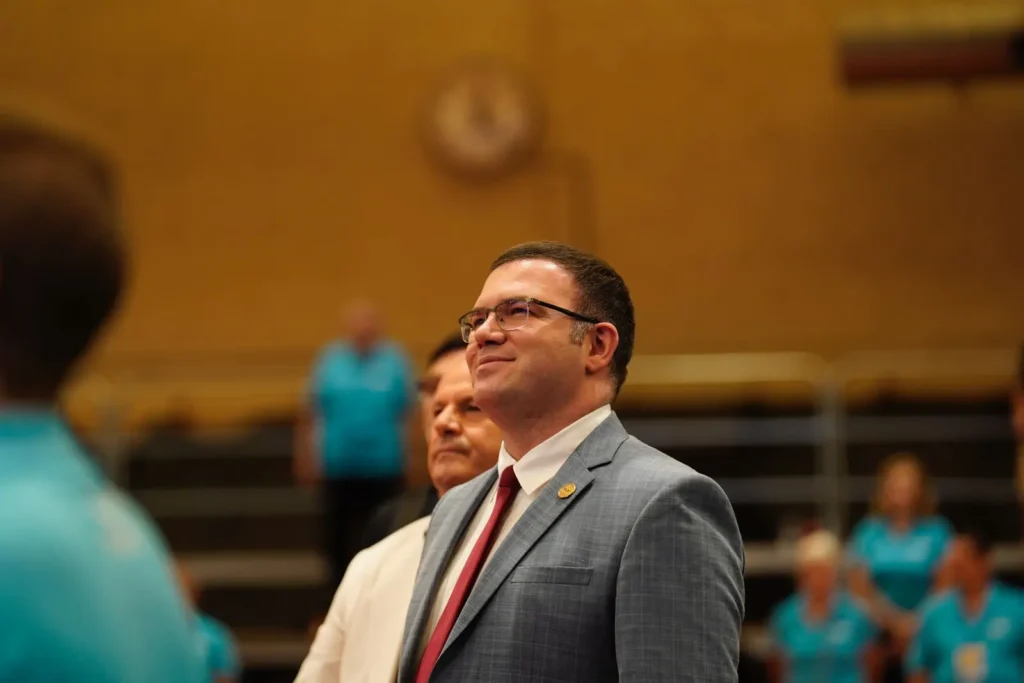
By Dr. Astrit Hasani, Founder of the Sport Above Politics Movement As the world becomes ever more turbulent, with conflicts and political tensions escalating daily, the pressure on IOC and sporting bodies is immense. The recent media session with IOC President Kirsty Coventry highlighted this reality, particularly around the United States’ actions in Venezuela and diplomatic gestures involving Israel. Calls to ban US athletes from the upcoming Winter Games illustrate how easily politics can overshadow sport. Hence, I urge President Coventry, the IOC, and the global sporting community not to be influenced by external pressures, to rise above the noise of geopolitical tensions, and let us together commit, once and for all, that sport stands above politics, now and forever. The principle behind the Sport Above Politics movement is simple. No matter how many wars are being fought, who starts them, or what conflicts dominate headlines, the competition of world athletes should never be a reflection of political endorsement. Sporting arenas should remain neutral grounds where dedication, discipline, and excellence are celebrated without prejudice. Every athlete, regardless of nationality, deserves the opportunity to compete and inspire. As a multiple Olympic champion, President Kirsty Coventry brings to her role a rare credibility shaped by excellence, humility, and lived sporting experience. Her commitment to maintaining direct and open dialogue with athletes and sports leaders demonstrates a leadership approach rooted in listening, inclusion, and the long-term strengthening of the Olympic Movement. In this context, President Coventry has shown caution in navigating these pressures, but now is the right moment to fully embrace sport’s true power: Sport Above Politics. Let the Games in Milano Cortina, and all competitions, remind us that sport can rise above politics, unite people across divides, and celebrate human potential, irrespective of nationality or political climate. Dr. Astrit HasaniFounder, Sport Above Politics
Astrit Hasani and the separation between sport and politics
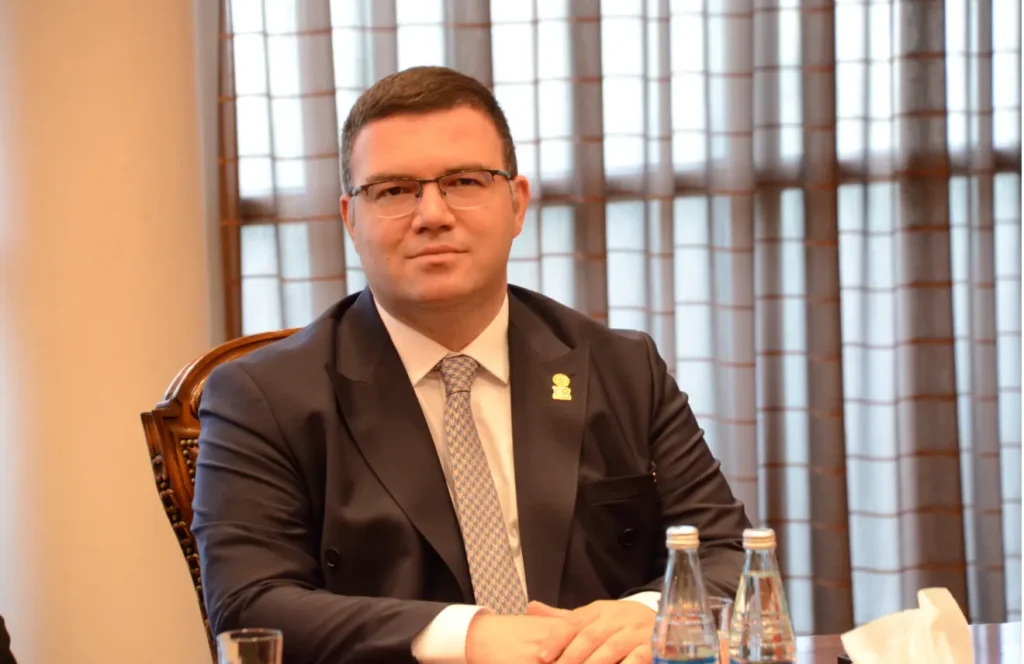
By Sportsin Dr. Astrit Hasani, president of the European Weightlifting Federation -EWF- and founder of the Sport Above Politics Movement, has issued a public statement reflecting on the role of sport as a space for equality and fair competition. In his view, “sport has demonstrated for decades its ability to rise above politics”, even in periods marked by deep international division. In his remarks, Hasani points out that the history of sport offers clear examples of how competition has served as a channel for dialogue when politics has failed to do so. He refers to football matches played between East and West Germany during the Cold War, which, he explains, “did not resolve political differences, but opened spaces for recognition and coexistence when other avenues were closed”. Sport as a space for dialogue beyond political conflict The president of the EWF also refers to the European Judo Championships held in April 2016 in Kazan, Russia, where Kosovo won a gold medal. Despite the host country not recognising Kosovo’s independence, “the flag was raised and the anthem played in accordance with sporting protocol”, a gesture that, according to Hasani, showed that “sport remained sport, without altering geopolitical positions”. Building on these examples, Hasani stresses that “athletes must be judged by their performance, not by their passports or political circumstances”, and clarifies that the principle of Sport Above Politics “is not neutrality in the face of injustice”, but rather “respect for fairness, dignity and the universal rules that unite humanity beyond conflict”. Excluding athletes does not resolve conflicts In his statement, the head of the European Weightlifting Federation also recalls the consequences of political interference in major sporting events, citing the boycotts of the Moscow 1980 and Los Angeles 1984 Olympic Games. In both cases, he notes, “the real losers were the athletes”, who were deprived of unique opportunities to compete, win medals and secure prizes or pensions linked to their results. Hasani adds that the joint participation of athletes from both blocs at the Seoul 1988 Olympic Games was only possible once the political context had improved, reinforcing his belief that “excluding athletes for conflicts beyond their control causes lasting harm without resolving the underlying issues”. In this context, Hasani insists that “neutrality in sport does not imply support, recognition or validation of any political position”, but simply “respect for the integrity of competition and shared rules”. As he explains, sport “does not require political agreement to function, but clear rules, fairness and mutual respect”. As a recent example of the consequences of disregarding this principle, the founder of the Sport Above Politics Movement refers to the decision taken in October 2025 by Indonesia, which cancelled visas for gymnasts from Israel who were due to compete at the World Artistic Gymnastics Championships in Jakarta, preventing their participation. “Situations like this could be avoided if there were greater public understanding of sporting values”, he argues. Sport Above Politics Movement in the current international context Hasani maintains that “allowing athletes to compete is a sporting obligation, not a political statement”, and that participation in international competitions “does not amount to diplomatic recognition or institutional alignment”. In his view, a society that clearly distinguishes between sport and politics would be “less inclined to exert pressure for the exclusion of athletes”. In an international landscape shaped by conflict, the president of the European Weightlifting Federation concludes that upholding the principle of Sport Above Politics “is not a sign of weakness”, but rather “a deliberate commitment to fairness, consistency and human dignity”, regardless of the number of wars taking place or the political responsibilities associated with them.
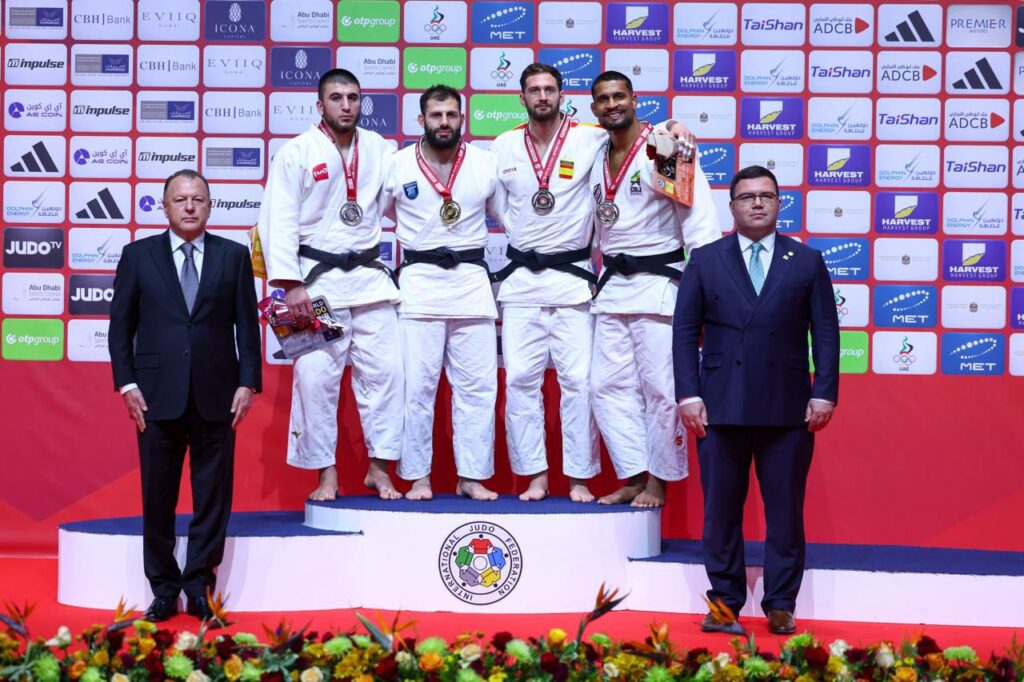
IJF President welcomes Europe’s youngest leader Dr. Hasani at Abu Dhabi Grand Slam
The open letter calling on the IOC to eliminate neutral athletes